

Vitamin E
Vitamin E is the collective name for eight fat-soluble compounds: four tocopherols and four tocotrienols. Of the eight, only alpha-tocopherol is maintained in human blood, and it is the form on which the recommended intake is based, which is why most supplements supply alpha-tocopherol.
Vitamin E is a fat-soluble vitamin and is widely described as an antioxidant that works in the fatty parts of the body. It occurs naturally in vegetable oils, nuts and seeds, and because it is fat-soluble it is taken with food that contains some fat. It is often discussed together with coenzyme Q10, because laboratory work studies the two alongside each other. These are descriptions of the nutrient itself, not statements about an effect on the body.
About this ingredient
Vitamin E is the name of a family of eight related compounds rather than a single molecule: four tocopherols and four tocotrienols. Alpha-tocopherol is treated as the reference form because it is the one the body retains and circulates most readily, and it is the form used on labels and in daily-amount figures. The natural form is made by plants; a synthetic form is also produced, and the two are not equivalent, as the next section explains.
Dietary sources
Nuts, seeds and vegetable oils are the best sources of alpha-tocopherol, and green leafy vegetables and fortified cereals supply meaningful amounts. NIH ODS makes a point worth repeating: most of the vitamin E in the American diet is gamma-tocopherol, from soybean, canola and corn oils and the products made with them, rather than the alpha form on which the recommendation is based. The US Recommended Dietary Allowance for adults is 15 mg of alpha-tocopherol, and the Daily Value used on US labels is also 15 mg for adults and children aged 4 and over. Commercial raw material follows two routes: extraction from vegetable oils and chemical synthesis.
Forms & absorption
The most important distinction between vitamin E raw materials is natural versus synthetic. The natural form appears on labels as d-alpha-tocopherol, the synthetic form as dl-alpha-tocopherol, which is a mixture of related forms and only some of them are retained by the body. NIH ODS therefore states that a given weight of synthetic alpha-tocopherol has only half the activity of the same weight of the natural form. The conversion factors are 1 mg = 1.49 IU for the natural form and 2.22 IU for the synthetic, so 15 mg of natural alpha-tocopherol equals 22.4 IU while 15 mg of synthetic equals 33.3 IU. Raw material is also commonly esterified to extend shelf life, and because it is fat-soluble it should be taken with a meal containing fat.
Research status
Human research on vitamin E includes several large randomised controlled trials, among them studies giving 400 IU of vitamin E with vitamin C to thousands of participants over several years. A defining feature of this evidence base is that many trials gave vitamin E together with other compounds — vitamin C, beta-carotene, selenium, zinc — which makes the contribution of vitamin E alone hard to isolate. A second feature is that most trials used amounts far above the recommended daily intake, so they do not reflect ordinary dietary exposure. No claim has been approved by the Thai FDA for the products on this site. This page therefore presents vitamin E here as an ingredient, not as a benefit.
Safety & considerations
The US Food and Nutrition Board set a Tolerable Upper Intake Level for adults of 1,000 mg a day of supplemental alpha-tocopherol, applying to both the natural and the synthetic form; for pregnant and lactating women aged 14 to 18 the figure is 800 mg. The safety point raised most often is increased bleeding risk at high intakes, so anyone taking anticoagulant or antiplatelet medicines, or with surgery scheduled, should ask a doctor first. One point is specific to Thailand: vitamin E does not appear as a standalone entry in the annex to the Thai FDA guidance on the use of key ingredients in dietary supplements dated 8 July 2024, because vitamins are governed by a separate notification. This page therefore states no Thai FDA ceiling for vitamin E. If you are pregnant or breastfeeding or take prescription medicines, speak to a doctor or pharmacist before starting, and always follow the amount printed on the label. Dietary supplements are not intended to prevent, treat or cure any disease.
Quality markers
Five things are worth checking on a vitamin E label. First and most important, the d or dl prefix, which tells you whether the form is natural or synthetic and directly changes the IU-to-milligram conversion. Second, an acetate or succinate suffix, which denotes the ester used for stability; it can follow either d or dl, so the suffix says nothing about origin — the prefix is the clue. Third, the unit: older and some imported labels still use IU while newer ones use milligrams. 400 IU of the natural form is 268 mg; 400 IU of the synthetic form is 180 mg. Fourth, the phrase 'mixed tocopherols', which means a blend of alpha, beta, gamma and delta in proportions that may not be stated, and is not the same as pure alpha-tocopherol. Fifth, storage away from light and heat. Every dietary supplement sold in Thailand also carries an FDA (อย.) registration number on the label.
- NIH Office of Dietary Supplements – Vitamin E Fact Sheet for Health Professionals ↗
- Linus Pauling Institute (Oregon State University) – Vitamin E ↗
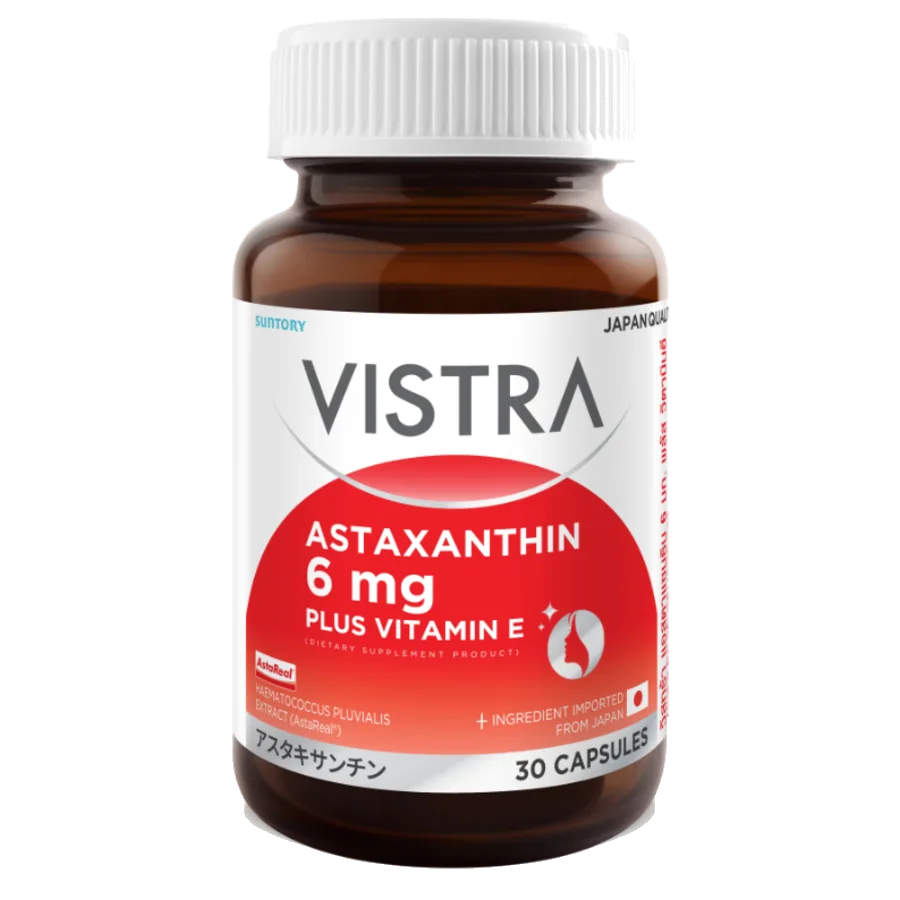
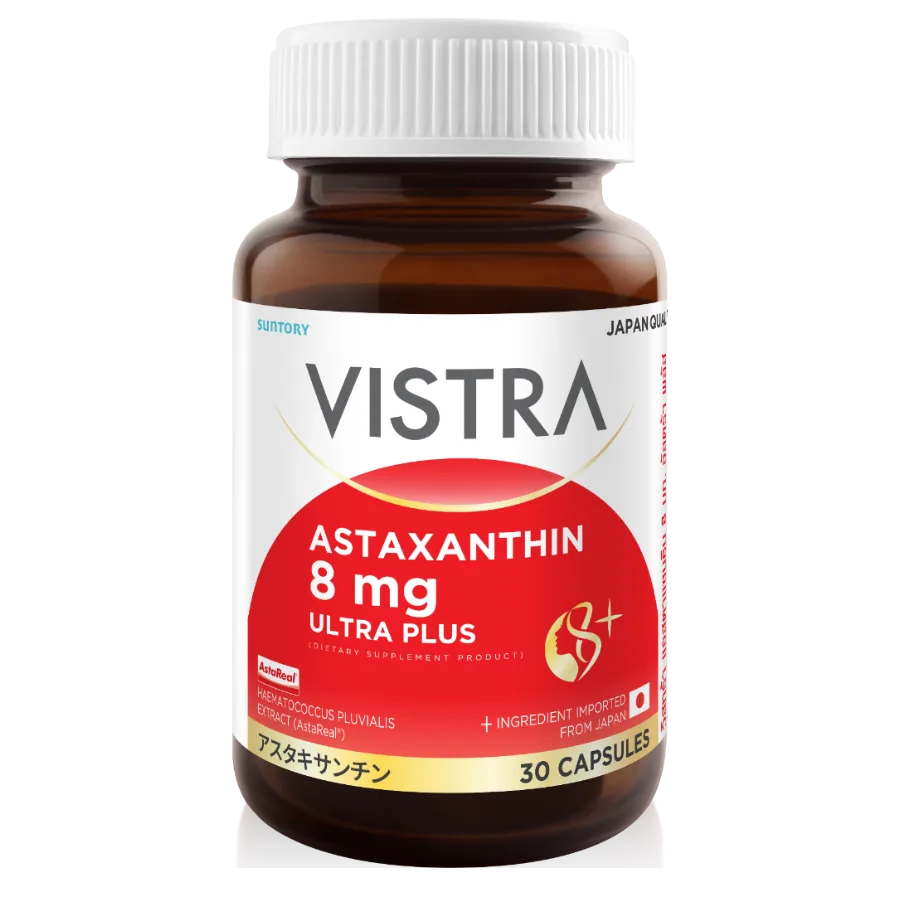
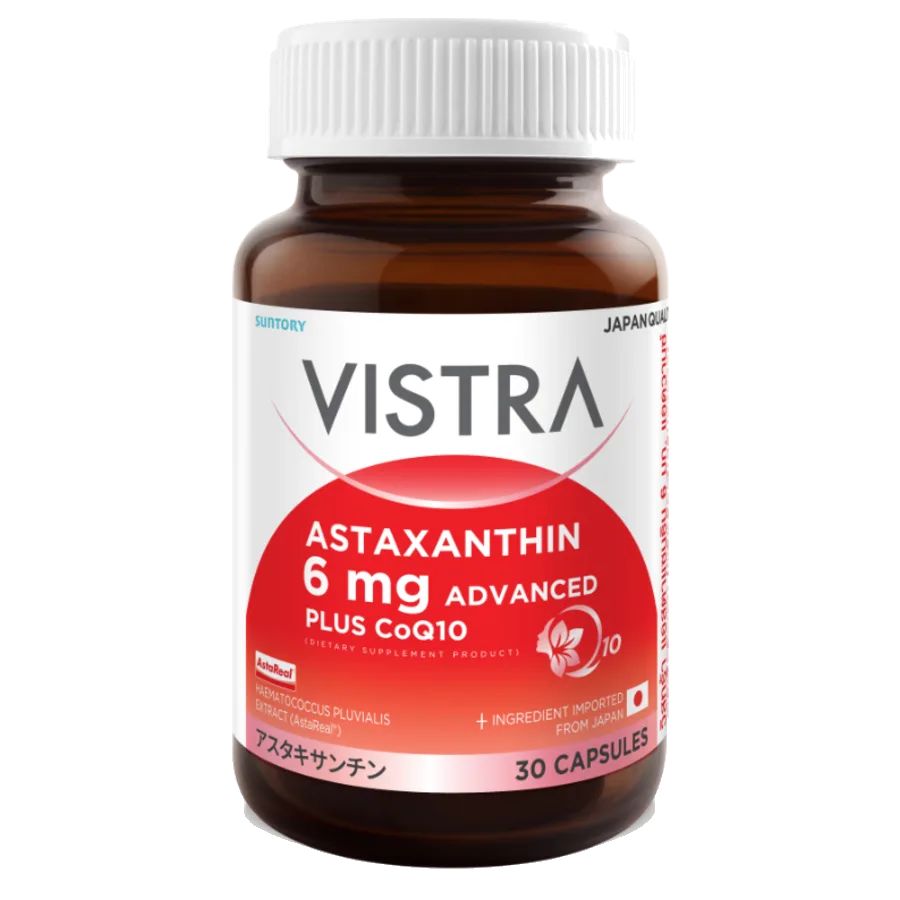
This page is general educational information about a nutrient — it describes the nutrient itself and is not a statement about any particular product. Dietary supplements are food, not medicine, and have no effect in preventing or treating disease. The references listed above are public-institution sources, not product claims.

We use cookies to improve performance and give you a better experience on this website. If you accept, we can show you content that better matches your interests. You can change your consent at any time via “Cookie settings”. Cookie policy