
Zinc
Zinc is an essential trace mineral, chemical symbol Zn. In living systems it exists as a doubly charged ion and forms part of a large number of human proteins. In supplements it always appears as a salt or a chelate — gluconate, citrate, picolinate and so on.
Zinc is an essential trace mineral: the body needs a small amount of it regularly and cannot make it. Nutrition references describe zinc as a component of a large number of the body's enzymes and as part of the structures that proteins need in order to hold their shape. These are descriptions of the mineral itself, not statements about what a product does.
About this ingredient
Zinc is a mineral the body needs in small amounts. Unlike iron, the body keeps no zinc store to draw on, so intake needs to be regular rather than occasional. Supplement raw material is made by combining zinc with organic acids or amino acids, which gives the forms that appear on labels — zinc bisglycinate, zinc gluconate, zinc picolinate and others.
Dietary sources
Meat, fish and other seafood are the most concentrated sources of zinc. Oysters contain more zinc per serving than any other food, while beef contributes the largest share of zinc intake in the American diet simply because it is eaten so often; eggs and dairy also contain zinc. Beans, nuts and whole grains contain zinc too, but its bioavailability from them is lower than from animal foods because those foods contain phytates, which bind zinc and inhibit its absorption. That point has practical weight: NIH ODS notes that dietary zinc deficiency is common in the developing world and that diets high in phytate and lacking animal-source foods are what drive it. The US Recommended Dietary Allowance is 11 mg a day for men and 8 mg for women.
Forms & absorption
Zinc forms differ in how much elemental zinc they contain and in how readily they dissolve. The common ones are zinc gluconate, citrate, picolinate, bisglycinate, sulfate, acetate and oxide. The figure to read on a label is the amount of elemental zinc, not the weight of the compound. The strongest influence on absorption, though, is not the salt but what is eaten with it — particularly phytate from grains and legumes — and how much zinc the meal contains, since the absorbed fraction falls as the dose rises. Products come as tablets, capsules and lozenges, and lozenges intended for short-term use typically deliver far more zinc than a daily supplement, which connects directly to the safety ceiling described in the next section.
Research status
There is a large body of human research on zinc and a number of systematic reviews. The methodological limitation raised most often is the absence of a sensitive indicator of zinc status; the Linus Pauling Institute states plainly that this lack makes it difficult to determine what level of zinc intake is optimal. Trials have also used different zinc salts and doses spanning everything from near the recommended intake to several times it, so results are hard to compare across studies. No claim has been approved by the Thai FDA for the products on this site. This page therefore presents zinc here as an ingredient, not as a benefit.
Safety & considerations
The US Food and Nutrition Board set a Tolerable Upper Intake Level for zinc of 40 mg a day for adults, counting food and supplements together. The reason the figure is set relatively low is specific and worth knowing: high zinc intakes inhibit copper absorption, so long-term intake above the ceiling can produce copper deficiency. NIH ODS records that reductions in a marker of copper status have been reported even at moderately high zinc intakes of around 60 mg a day for up to 10 weeks. The Linus Pauling Institute adds that using zinc lozenges for prolonged periods — for example 6 to 8 weeks — is likely to result in copper deficiency. For Thailand, the Thai FDA guidance of 8 July 2024 gives a figure of not more than 15 mg of total zinc per day at item 223, as a condition attached to oyster extract, which is substantially below the US figure. If you take prescription medicines or are pregnant or breastfeeding, speak to a doctor or pharmacist before starting, and always follow the amount printed on the label. Dietary supplements are not intended to prevent, treat or cure any disease.
Quality markers
Four things are worth checking on a zinc label. First and most important, whether the label states elemental zinc or the weight of the compound; the two numbers differ substantially and cannot be compared directly. Second, the form should be named in full — gluconate, picolinate, bisglycinate. Third, whether copper is included in the formula, which relates directly to the safety ceiling described above. Fourth, the amount per serving set against whatever else you take, because zinc appears in multivitamins and in many combination formulas and the ceiling is a total daily figure, not a per-product one. Every dietary supplement sold in Thailand also carries an FDA (อย.) registration number on the label.
- NIH Office of Dietary Supplements – Zinc Fact Sheet for Health Professionals ↗
- Linus Pauling Institute (Oregon State University) – Zinc ↗
- Thai FDA – Advice on the use of key ingredients in dietary supplements (8 July 2024), item 223 Oyster ↗
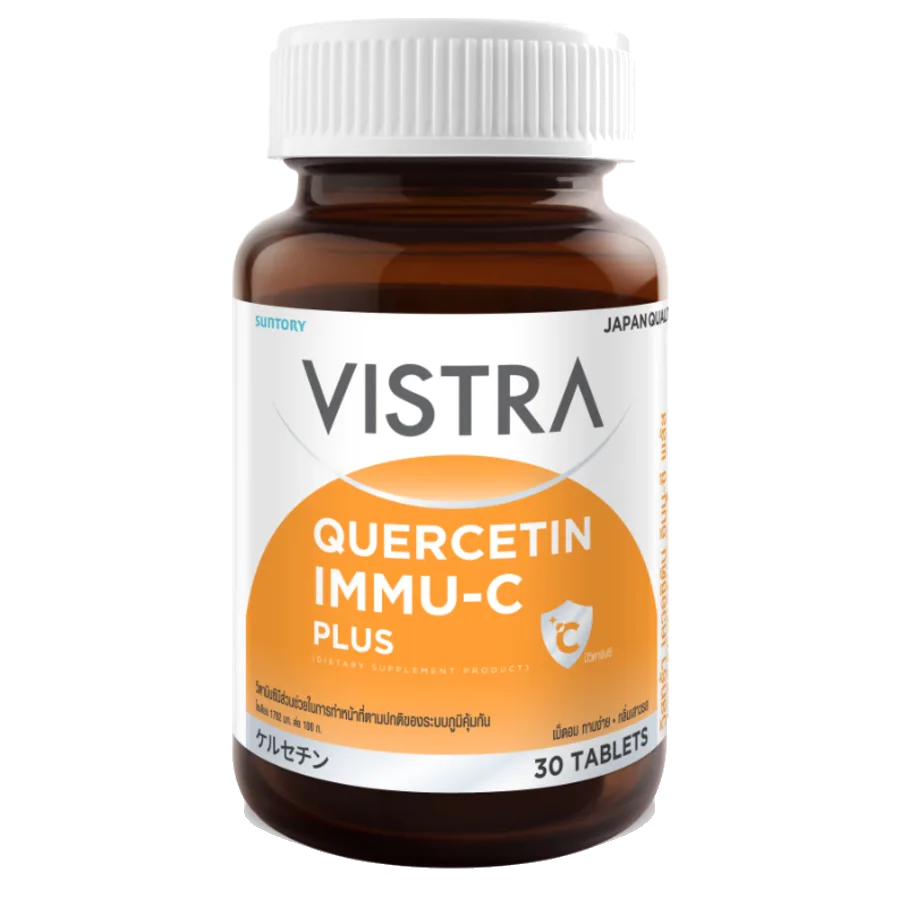
This page is general educational information about a nutrient — it describes the nutrient itself and is not a statement about any particular product. Dietary supplements are food, not medicine, and have no effect in preventing or treating disease. The references listed above are public-institution sources, not product claims.

We use cookies to improve performance and give you a better experience on this website. If you accept, we can show you content that better matches your interests. You can change your consent at any time via “Cookie settings”. Cookie policy