

Omega-3 / DHA
Omega-3 is a family of polyunsaturated fatty acids whose first double bond sits three carbons from the methyl end of the chain. Three members are discussed most often: ALA, which comes from plants, and the long-chain EPA and DHA, which are abundant in oily marine fish and in certain algae. The human body converts ALA into EPA and DHA only to a limited extent.
Omega-3s are a group of polyunsaturated fats. ALA is called an essential fatty acid because the body cannot make it and has to obtain it from food. EPA and DHA are the two omega-3s found in oily fish and fish oil, and they are the ones most supplements are built around: DHA is a normal structural component of cell membranes, and the body uses both EPA and DHA in its everyday processes. How much EPA and DHA a product provides per serving is stated on the label.
About this ingredient
Omega-3 is a family name rather than the name of a single substance. The three main members are ALA, EPA and DHA. ALA is made by plants, notably flaxseed, chia and walnuts. EPA and DHA originate in marine microalgae and accumulate up the food chain into oily fish, so the fish do not make them either.
Dietary sources
ALA is an essential fatty acid, and the US Adequate Intake is 1.6 g a day for men and 1.1 g for women. EPA and DHA have no separate RDA; the US Food and Nutrition Board set an acceptable macronutrient distribution range for omega-3s as ALA of 0.6 % to 1.2 % of energy, and noted that about 10 % of that range may be taken as EPA and/or DHA. In an ordinary diet, ALA comes from vegetable oils, flaxseed, chia and nuts, while EPA and DHA come from oily marine fish such as salmon, sardine, mackerel and Indian mackerel. Amounts per serving vary widely with species, season and — for farmed fish — the feed formulation. Commercial raw material follows two routes: fish oil from anchovy, sardine, salmon and tuna, and oil from cultivated algae, which is the option for people who do not eat fish.
Forms & absorption
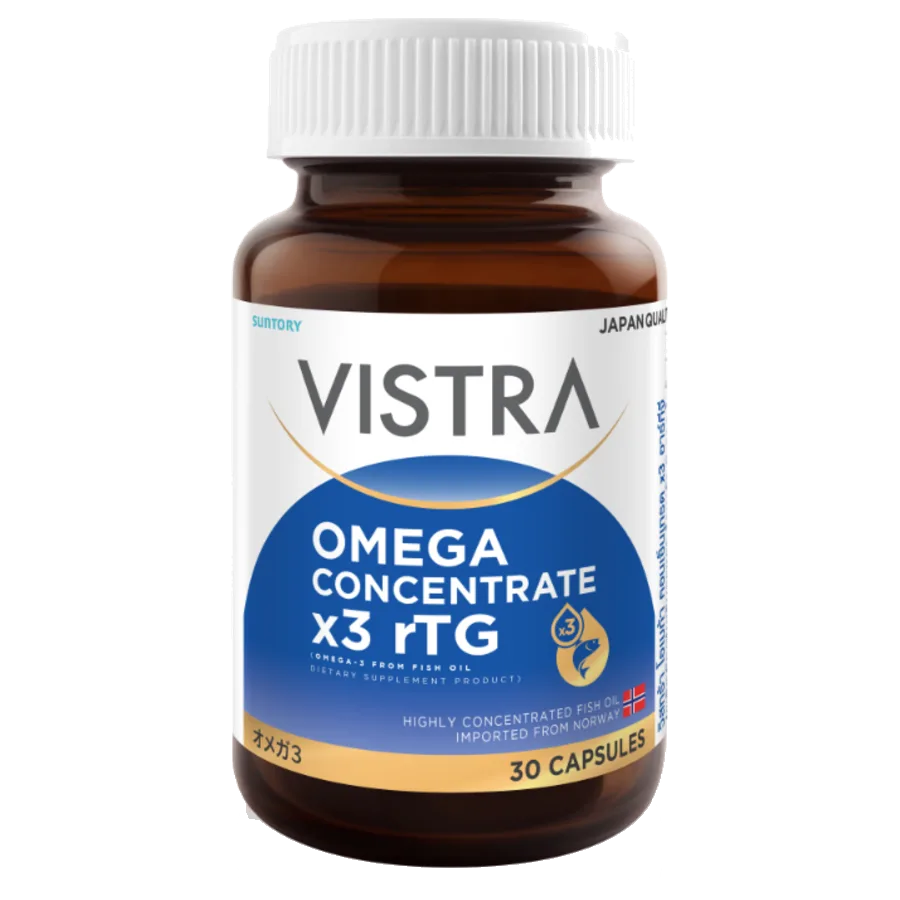
Omega-3 raw materials differ in three ways: which fatty acids they contain, their chemical form, and their concentration. Natural fish oil is in the triglyceride form; concentrating it produces ethyl esters, and converting those back to triglycerides gives re-esterified triglycerides, or rTG. NIH ODS states that omega-3s as re-esterified triglycerides, natural triglycerides and free fatty acids have somewhat higher bioavailability than ethyl esters, while noting that all forms significantly raise blood levels. Krill oil supplies omega-3s mainly as phospholipids, and algal oil usually provides around 100 to 300 mg of DHA in the triglyceride form. Because these are oils, products are normally softgels taken with a meal.
Research status
The human research base for EPA and DHA is large and includes trials with several thousand participants, so it is broader than for most of the ingredients on these pages. The trials nonetheless differ widely in dose, chemical form and population, results are not always consistent, and systematic reviews routinely name that variation as a central limitation. The European Union has authorised some health claims for EPA and DHA, but that is a separate regulatory system from Thailand's and those claims cannot be used on labels or in advertising here. No claim has been approved by the Thai FDA for the products on this site. This page therefore presents omega-3 on this page as an ingredient, not as a benefit.
Safety & considerations
Thai FDA guidance on the use of key ingredients in dietary supplements, dated 8 July 2024, lists fish oil and concentrated fish oil as item 374, at not more than 1 g of EPA and DHA combined per day, with quality to follow the Ministry of Public Health notification on fish oil. The same ceiling applies to the other named fish oils and to algal oils in the neighbouring items. That figure is distinctly lower than the numbers other authorities give: the US Food and Nutrition Board set no Tolerable Upper Intake Level for omega-3s at all, and EFSA has stated that long-term intakes of up to about 5 g a day of EPA and DHA combined appear safe. In Thailand the Thai FDA figure is the one that governs. Doses of 2 to 15 g a day have been reported to lengthen bleeding time. If you take anticoagulant or antiplatelet medicines, have surgery scheduled, have a fish or shellfish allergy, or are pregnant or breastfeeding, speak to a doctor or pharmacist before starting, and always follow the amount printed on the label. Dietary supplements are not intended to prevent, treat or cure any disease.
Quality markers
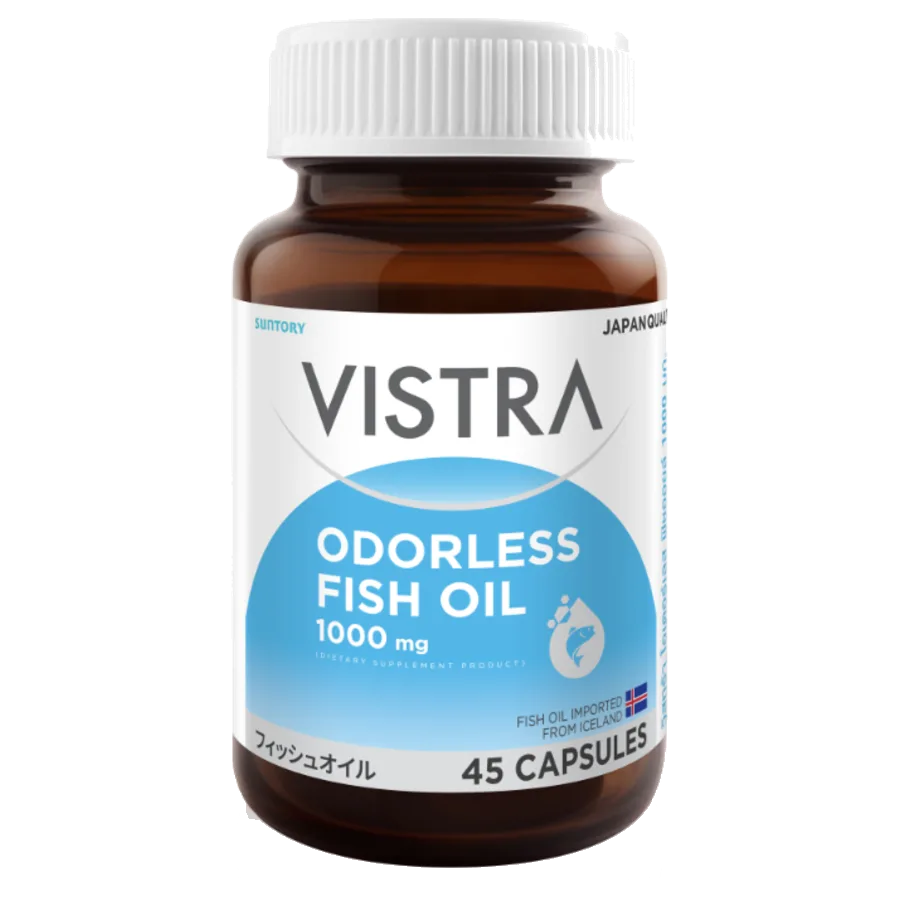
Five things are worth checking on an omega-3 label. First and most important: the number to read is not the amount of fish oil but the amount of EPA and DHA. A 1,000 mg fish oil softgel may deliver only around 300 mg of EPA plus DHA. Second, the chemical form — triglyceride, re-esterified triglyceride or ethyl ester — should be stated. Third, the source species of fish or algae, which matters both for seafood allergy and for people who do not eat fish. Fourth, any freshness figure such as a peroxide value or TOTOX value, which some products declare; fish oil oxidises readily, so storage away from light and heat matters. Fifth, whether the product states conformity with the Ministry of Public Health notification on fish oil. Every dietary supplement sold in Thailand also carries an FDA (อย.) registration number on the label.
- NIH Office of Dietary Supplements – Omega-3 Fatty Acids Fact Sheet for Health Professionals ↗
- Linus Pauling Institute (Oregon State University) – Essential Fatty Acids ↗
- Thai FDA – Advice on the use of key ingredients in dietary supplements (8 July 2024), item 374 Fish oil ↗
This page is general educational information about a nutrient — it describes the nutrient itself and is not a statement about any particular product. Dietary supplements are food, not medicine, and have no effect in preventing or treating disease. The references listed above are public-institution sources, not product claims.

We use cookies to improve performance and give you a better experience on this website. If you accept, we can show you content that better matches your interests. You can change your consent at any time via “Cookie settings”. Cookie policy